
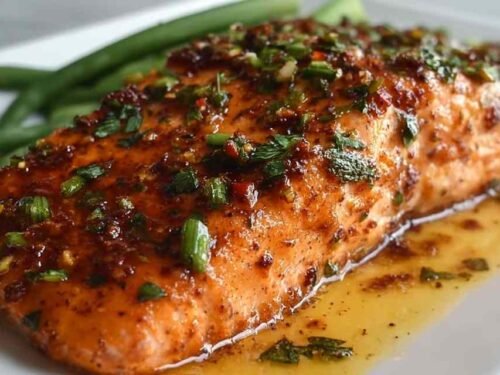
Texas Roadhouse Salmon is the kind of weeknight dinner that feels restaurant-quality without the restaurant price tag. This recipe captures that bold, smoky seasoning you love from the steakhouse, made right in your own kitchen. I have been making this version for years, and it never fails to impress.
The first time I tried to recreate this at home, I was honestly surprised by how simple it turned out. The secret is in that spice blend. Garlic, paprika, and a hit of lemon juice do all the heavy lifting, turning an everyday salmon fillet into something the whole family genuinely gets excited about. The result is tender, flavorful, and ready in under 40 minutes.
Table of Contents
Ingredients for Texas Roadhouse Salmon
I always keep these pantry staples on hand, which is what makes this recipe such a reliable go-to on busy weeknights. The quality of your salmon makes a real difference here, so I recommend picking up a fresh, center-cut fillet when you can.
- 1 lb salmon fillet (skin-on preferred for best results on the grill or oven)
- 2 tbsp olive oil (I recommend extra-virgin for the best flavor)
- 1 tbsp fresh lemon juice (freshly squeezed makes a noticeable difference)
- 2 tsp garlic powder (my go-to for even, bold flavor throughout)
- 1 tsp onion powder
- 1 tsp paprika (smoked paprika works great here too)
- 1 tsp black pepper
- 1 tsp salt
- 2 tbsp fresh parsley, chopped (for garnish)
- Lemon wedges (for serving)
Step-by-Step Instructions
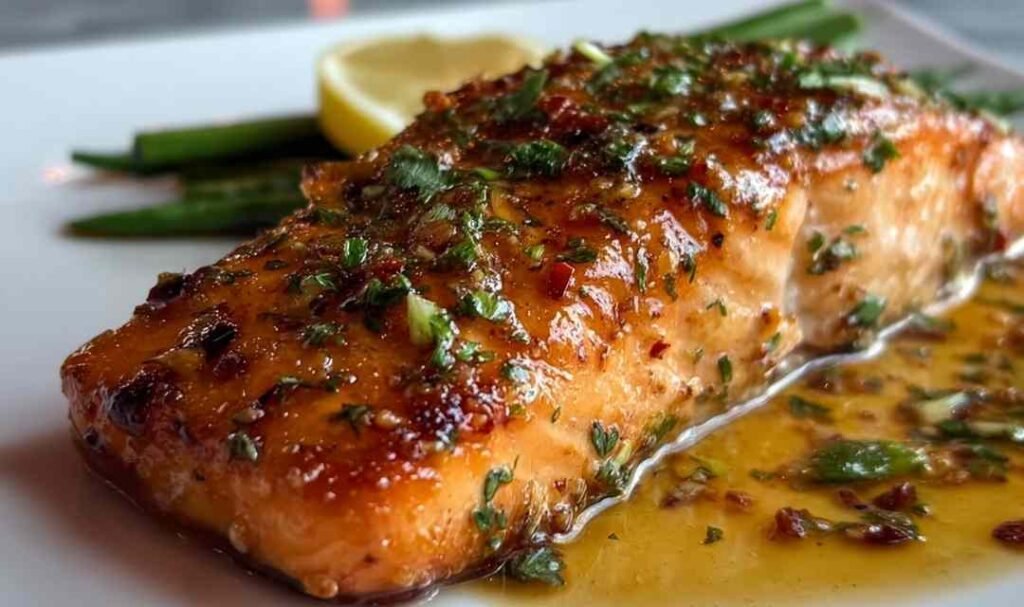
In my experience, the key to perfect Texas Roadhouse Salmon is making sure your seasoning mix is well blended before it ever touches the fish. Take an extra minute on this step and the payoff is huge.
Step 1: Preheat your grill or oven to 375 degrees F (190 degrees C). Getting the temperature right before the salmon goes in ensures even cooking from the start.
Step 2: Rinse the salmon fillet under cold water and pat it completely dry with paper towels. Dry fish means better seasoning adhesion and a nicer finish on the outside.
Step 3: In a small bowl, whisk together the olive oil, lemon juice, garlic powder, onion powder, paprika, black pepper, and salt until fully combined into a smooth mixture.
Step 4: Brush the spice mixture generously over the entire surface of the salmon. Make sure every inch is coated for that full steakhouse flavor. Do not skip the sides of the fillet.
Step 5: Place the salmon skin-side down on a parchment-lined baking sheet or directly on grill grates. Bake or grill for 15 to 20 minutes without flipping. The salmon is done when the flesh flakes easily with a fork and reaches an internal temperature of 145 degrees F (63 degrees C). The skin acts as a natural barrier that keeps the fillet moist throughout cooking.
Step 6: Remove from heat and let the salmon rest for 2 to 3 minutes before serving. This short rest helps the juices redistribute. Garnish with fresh parsley and serve with lemon wedges.
What to Serve with Texas Roadhouse Salmon
The right sides balance the rich, savory flavors of this dish with something fresh, light, or hearty. Here are my favorite pairings for a complete dinner plate.
Roasted Broccoli: The slightly charred edges and mild bitterness of roasted broccoli cut through the richness of the salmon beautifully. A simple toss with olive oil and salt is all it needs, and it roasts in the same oven at the same temperature.
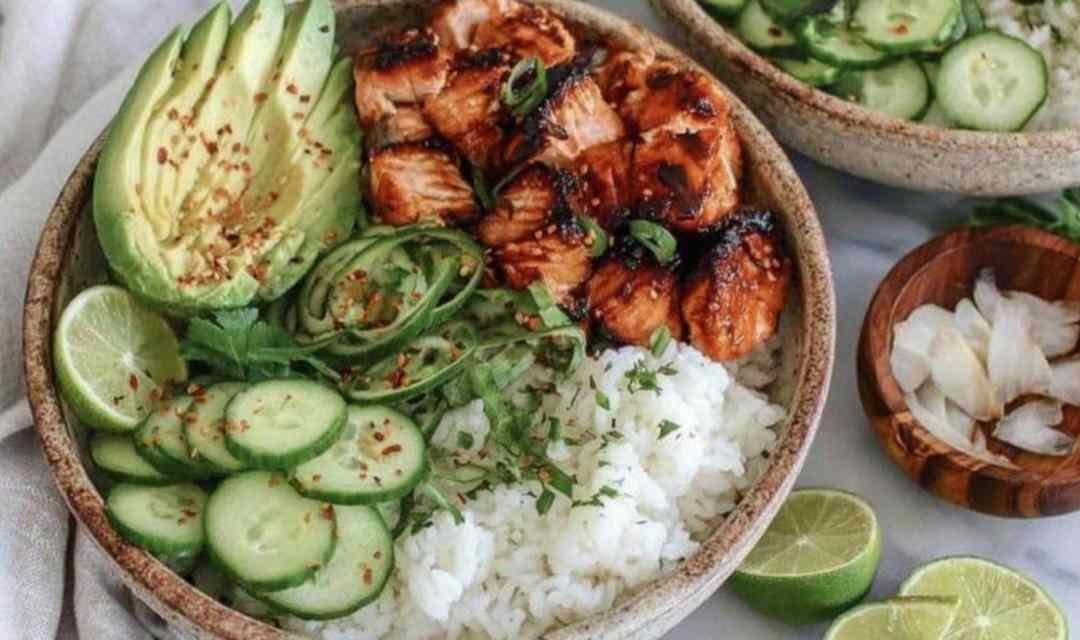
Garlic Mashed Potatoes: Creamy mashed potatoes are a classic steakhouse pairing for good reason. They soak up any extra seasoning from the salmon and make the plate feel genuinely satisfying. If you want to keep things easy, this crispy salmon bowl approach with a starchy base works along the same idea.
Caesar Salad: A crisp Caesar adds crunch and a tangy contrast that keeps each bite feeling light and balanced. It is one of the best sides for Texas Roadhouse Salmon when you want a full plate without heavy carbs.
Creamy Salmon Pasta: If you want to stretch the meal or use leftovers the next day, flaking the cooked salmon into a creamy pasta dish is a brilliant move. This creamy salmon pasta recipe is a natural follow-up that uses the same flavor profile.
Bang Bang Salmon Bowl: Prefer a saucy, bold variation for another night? This bang bang salmon recipe brings similar weeknight energy with a completely different flavor punch, and it pairs well as inspiration for rotating your salmon nights.
Honey Garlic Baked Salmon: If you love this recipe, you will want to try this honey garlic butter baked salmon next time for a sweeter, caramelized take on the same cut of fish.
Garlic Butter Steak Bites: When the family wants something heartier alongside a lighter fish dish, these garlic butter steak bites work as a protein-forward surf-and-turf style addition that always gets cleaned off the plate.
Street Corn Chicken Rice Bowl: For a fun, colorful side that brings a little smokiness and crunch to the table, this street corn chicken rice bowl rounds out a salmon dinner with great texture contrast.
Storage and Serving Tips
Leftover Texas Roadhouse Salmon keeps well in an airtight container in the refrigerator for up to 3 days. Let it cool completely before sealing the container to preserve moisture and texture.
I recommend reheating gently in a covered skillet over low heat with a small splash of water, or in the oven at 275 degrees F for about 10 minutes. Avoid the microwave when possible, as it tends to dry out the fish quickly and can make it rubbery.
Pro tip: flaked leftover salmon is incredible in tacos, grain bowls, or tossed into a quick pasta the next day. It stretches the meal and keeps dinner feeling fresh all week.
Frequently Asked Questions
Can I use frozen salmon for this recipe?
Yes, frozen salmon works well. Just make sure it is fully thawed and patted completely dry before applying the seasoning. Excess moisture will prevent the spice rub from sticking and can cause steaming instead of proper cooking.
How do I know when the salmon is fully cooked?
The most reliable method is a meat thermometer. The salmon is safe and ready when it reaches an internal temperature of 145 degrees F (63 degrees C). Visually, the flesh should turn from translucent to opaque and flake apart easily when pressed with a fork.
Can I make this Texas Roadhouse Salmon in an air fryer?
Yes. Preheat the air fryer to 375 degrees F, place the seasoned fillet skin-side down in the basket, and cook for 10 to 12 minutes depending on the thickness of your fillet. Check with a thermometer for doneness since air fryers vary in intensity.
Conclusion
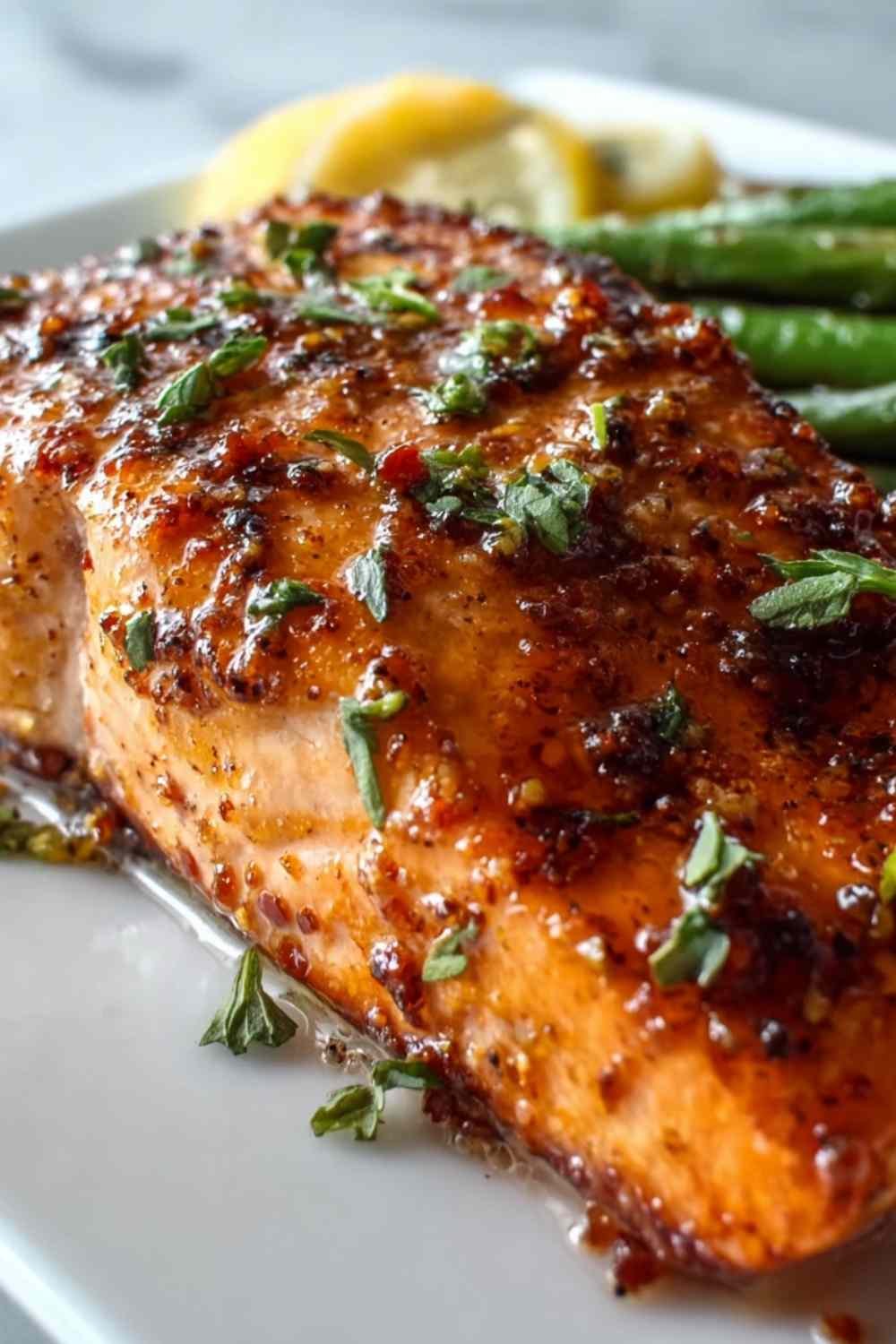
This Texas Roadhouse Salmon recipe proves that a stunning dinner does not require hours in the kitchen. With a handful of pantry spices and about 38 minutes, you get a flavorful, flaky fillet that tastes like it came straight from the steakhouse. Give it a try tonight and see how quickly it earns a permanent spot in your dinner rotation.
Texas Roadhouse Salmon
Ingredients
Equipment
Method
- Preheat your grill or oven to 375 degrees F (190 degrees C).
- Rinse the salmon fillet under cold water and pat it completely dry with paper towels.
- In a small bowl, whisk together the olive oil, lemon juice, garlic powder, onion powder, paprika, black pepper, and salt until fully combined.
- Brush the spice mixture generously over the entire surface of the salmon fillet, coating all sides including the edges.
- Place the salmon skin-side down on a parchment-lined baking sheet or directly on grill grates. Bake or grill for 15 to 20 minutes without flipping, until the flesh flakes easily with a fork and the internal temperature reaches 145 degrees F (63 degrees C).
- Remove from heat, let rest for 2 to 3 minutes, then garnish with fresh parsley and serve with lemon wedges.